In today’s evolving digital landscape, traditional Search Engine Optimization (SEO) continues to drive click-through traffic via organic rankings. Yet emerging alongside it is Generative Engine Optimization (GEO)—a strategy to ensure your content is included, cited, or summarized by AI-powered systems such as ChatGPT, Microsoft Copilot, and other generative engines.
🔍 What Is SEO?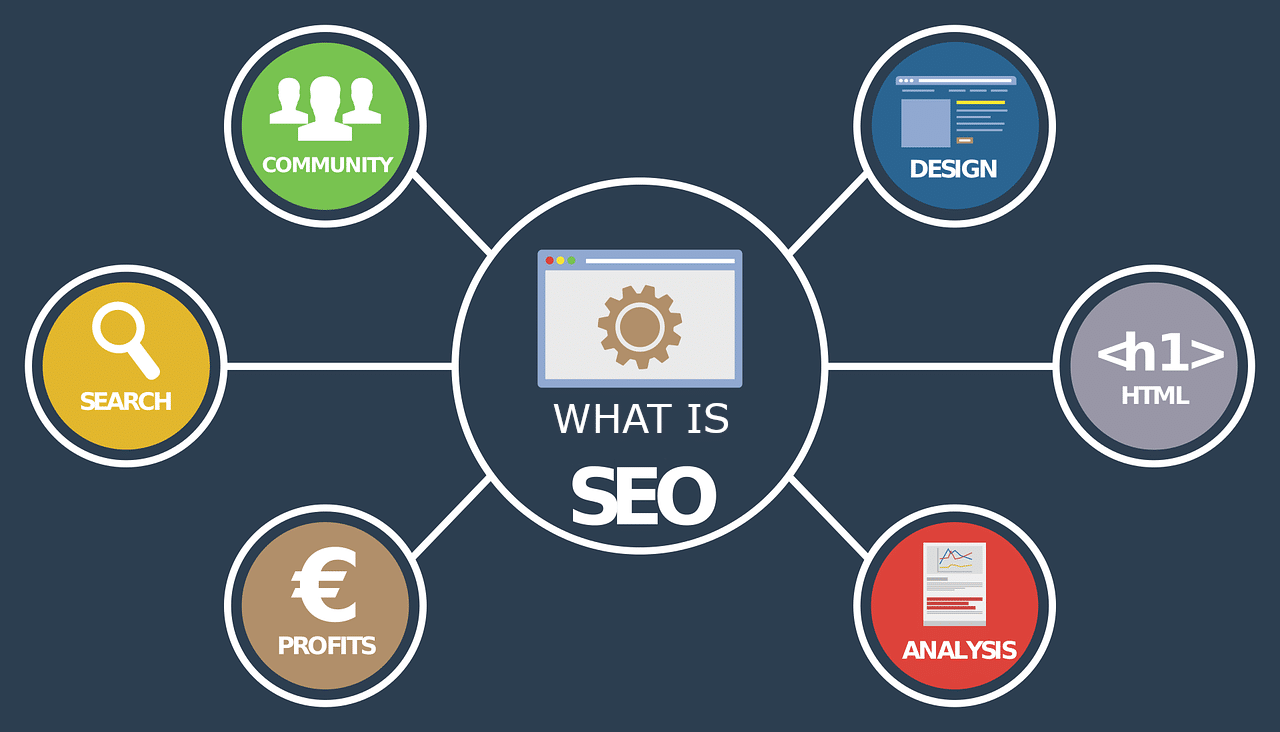
SEO is the practice of optimizing website content, structure, and metadata to improve visibility and ranking on search engines like Google and Bing. It relies heavily on keyword targeting, backlink schemes, technical site performance, and user experience enhancements. :contentReference[oaicite:2]{index=2}
🤖 What Is GEO?
GEO stands for Generative Engine Optimization, which aims to structure and format content so that AI-driven answer engines can parse, extract, and cite it directly in responses. Instead of just ranking pages, GEO helps your content be featured within AI-generated summaries and conversational overviews. :contentReference[oaicite:3]{index=3}
🧩 Key Differences
| Feature | SEO | GEO |
|---|---|---|
| Target Platforms | Traditional search engines (Google, Bing) | AI-powered engines (ChatGPT, Copilot, AI overview tools) |
| Content Focus | Keyword relevance, backlinks, full-page ranking signals | Passage-level clarity, entity structure, citation readiness |
| Result Types | SERP listings with links | AI-generated answers or summaries with citations |
| Metrics | CTR, dwell time, bounce rate, rank positions | Impressions in AI outputs, citations, prompt-triggered references |
🔁 Shared Ground
Despite targeting different search paradigms, both SEO and GEO prioritize:
- High-quality, authoritative content that aligns with user intent. :contentReference[oaicite:4]{index=4}
- Clear structure and readability to assist machine parsing and human comprehension. :contentReference[oaicite:5]{index=5}
✅ Why Use Both
SEO remains essential for organic visibility, while GEO enables participation in AI-powered search ecosystems. Blending both ensures broader reach across traditional and emerging interfaces. :contentReference[oaicite:6]{index=6}
Tip: Refresh your top-performing pages quarterly—consider optimizing for passage-level AI extraction (e.g. FAQs, structured lists) while maintaining SEO best practices like backlinks and technical performance. :contentReference[oaicite:7]{index=7}
🛠 How to Integrate GEO Into SEO
- Structure your content with clear headings, lists, and direct Q&A sections—for AI answer inclusion. :contentReference[oaicite:8]{index=8}
- Use schema markup (FAQ, HowTo, Speakable) to improve AI readability. :contentReference[oaicite:9]{index=9}
- Continue traditional SEO: keyword research, internal and external linking, technical optimizations. :contentReference[oaicite:10]{index=10}
- Use entity-based and passage-level wording so AI systems can accurately extract facts. :contentReference[oaicite:11]{index=11}
🔮 The Future of Search Optimization
The marketing landscape is shifting: brands now aim to be cited inside AI-generated results, not just ranked in SERPs. Some companies—like Asva AI and Siftly—are already offering GEO services to prepare brands for this transition. :contentReference[oaicite:12]{index=12}
🧠 Final Thoughts
GEO doesn’t replace SEO—it builds on it. A modern content strategy combines both: traditional SEO foundations paired with AI‑friendly structuring, clarity, and citation potential. This hybrid approach future-proofs your visibility across today’s and tomorrow’s search experiences. :contentReference[oaicite:13]{index=13}


No comments:
Post a Comment