In recent years, Generative AI has emerged as one of the most exciting and disruptive technologies in the world of artificial intelligence. From creating stunning artwork to composing music, writing stories, and even designing products, Generative AI is redefining what’s possible in creative and professional domains. But what exactly is Generative AI, and why is it so valuable? Let’s explore.
What is Generative AI?
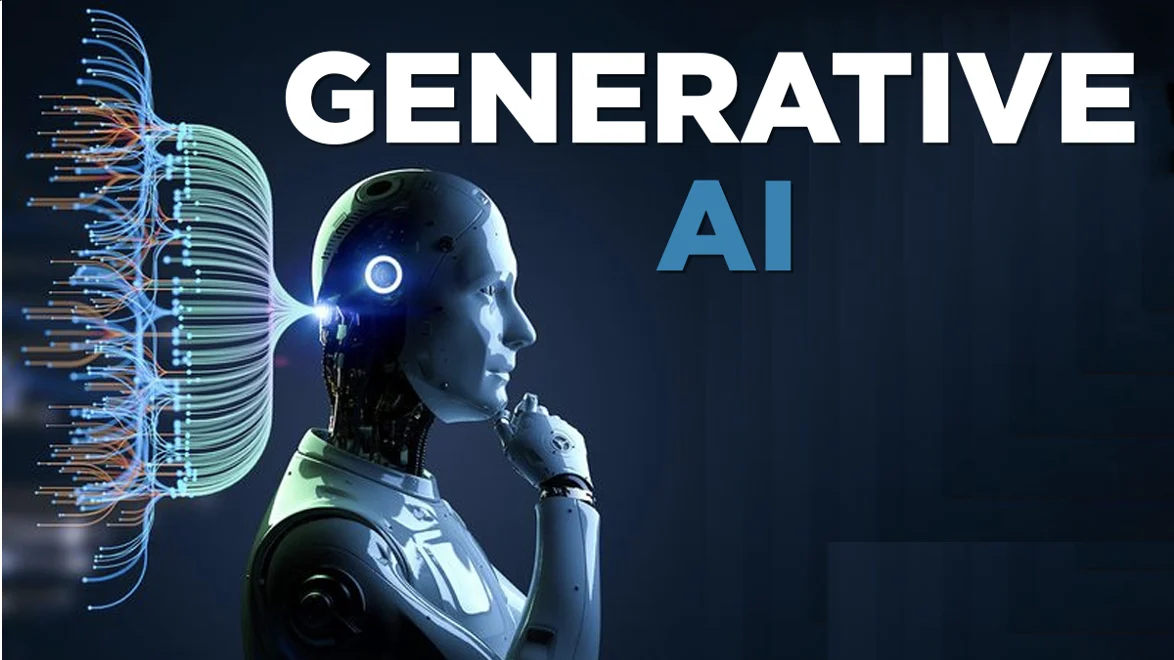
Generative AI refers to artificial intelligence systems that can generate new content, rather than simply analyzing or acting on existing data. These systems use advanced machine learning models—most notably, large language models (LLMs) and generative adversarial networks (GANs)—to produce text, images, audio, video, and more. Unlike traditional AI, which is often rule-based and deterministic, Generative AI can create outputs that are novel, diverse, and sometimes indistinguishable from human-made content.
How Does Generative AI Work? 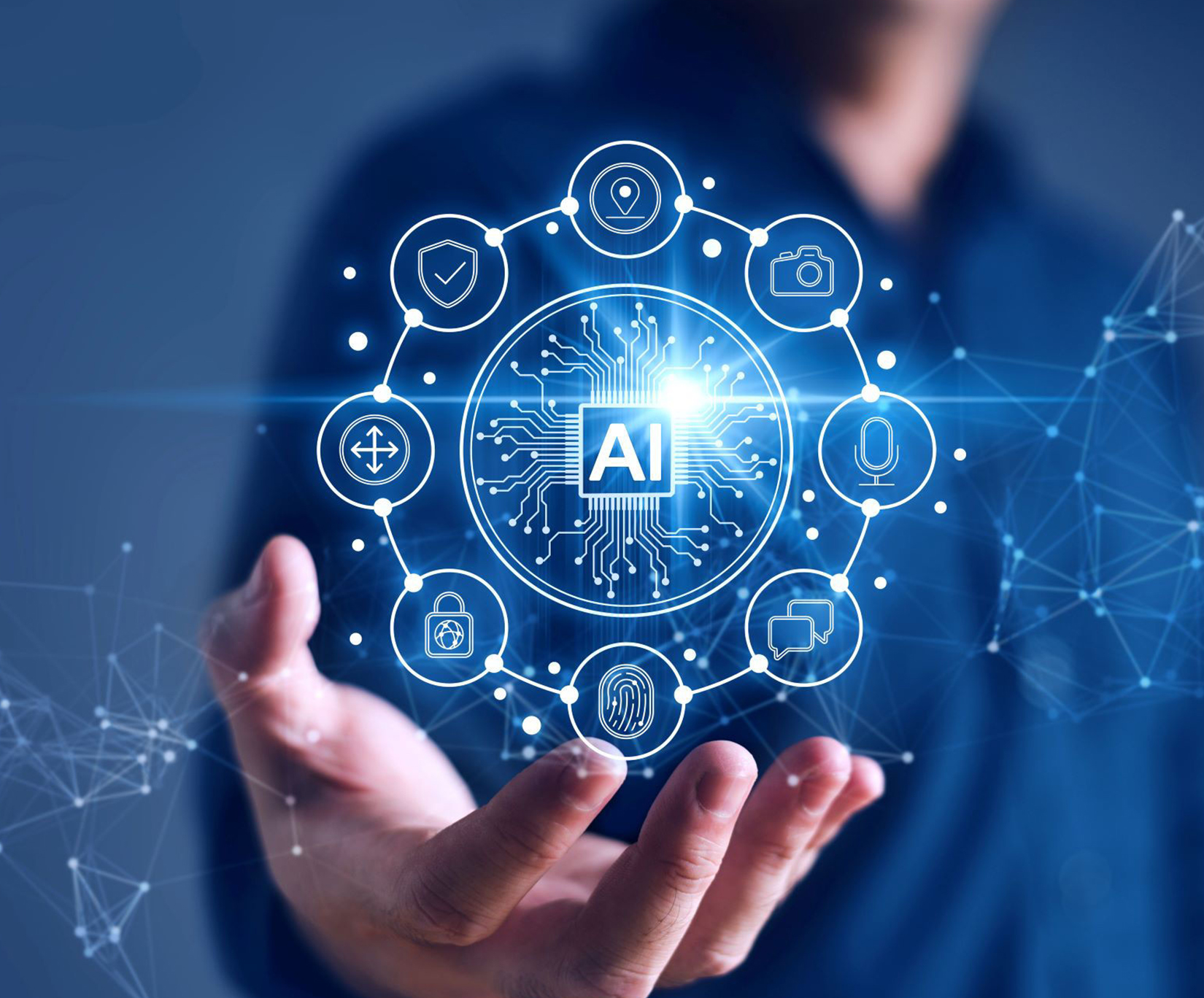
At the heart of Generative AI are models trained on vast datasets. For example, a language model like GPT-4 is trained on billions of words from books, articles, and websites. By learning patterns, context, and structure, the model can generate coherent and contextually relevant text in response to prompts. Similarly, image generators like DALL-E or Midjourney are trained on millions of images and can create entirely new visuals based on textual descriptions.
Applications of Generative AI
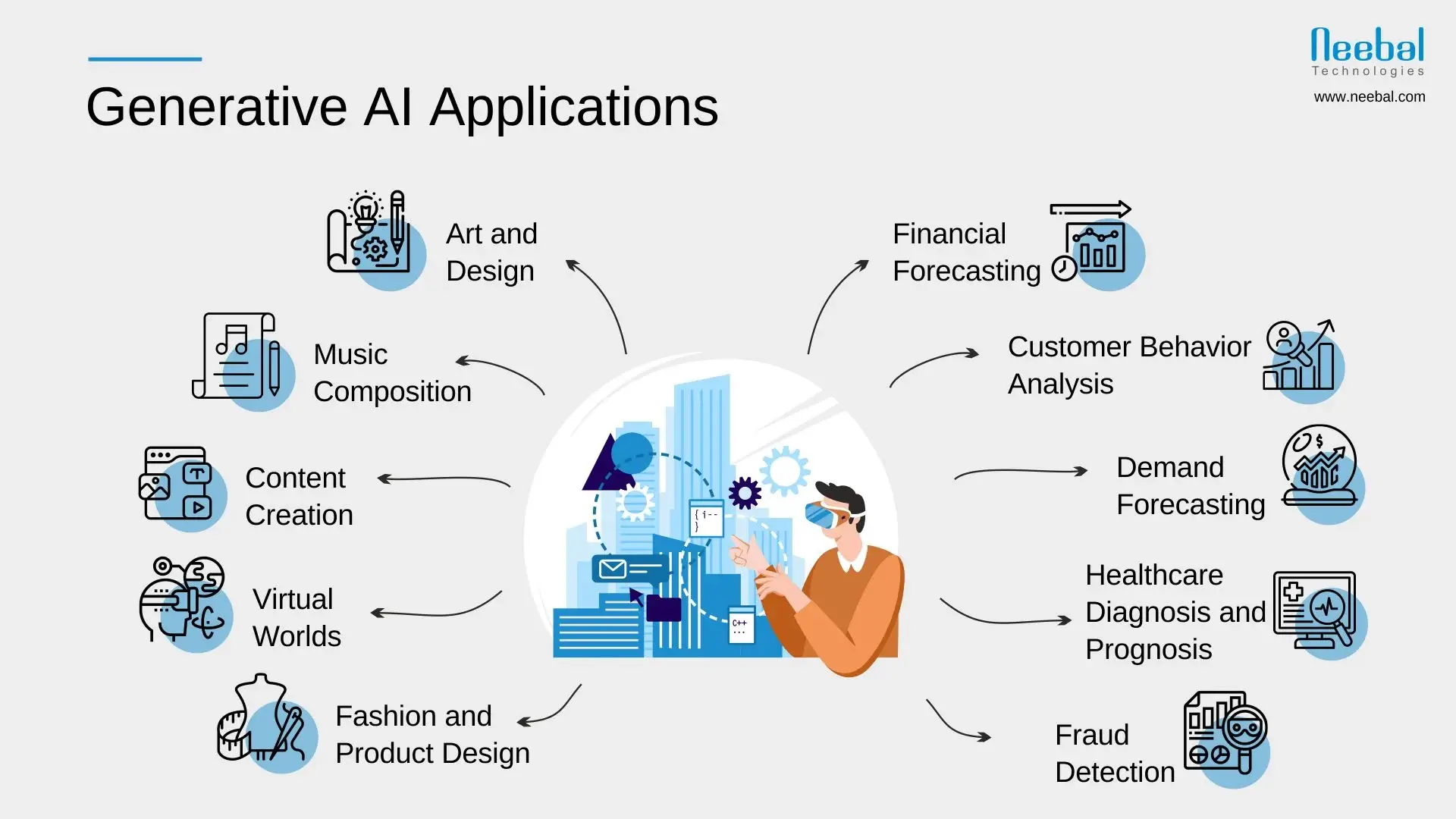
Generative AI is already making a significant impact across various industries:
- Content Creation: Automating blog posts, marketing copy, news articles, and even poetry.
- Art and Design: Generating unique artwork, logos, and product designs.
- Music and Audio: Composing original music, sound effects, and voice synthesis.
- Gaming: Creating characters, storylines, and immersive environments.
- Education: Developing personalized learning materials and interactive simulations.
- Healthcare: Assisting in drug discovery, medical imaging, and patient communication.
The Value of Generative AI
The true value of Generative AI lies in its ability to augment human creativity and productivity. It enables individuals and organizations to:
Scale Creativity: Produce high-quality content rapidly and at scale.
Enhance Innovation: Explore new ideas and concepts that may not have been conceived by humans alone.
Reduce Costs: Automate repetitive creative tasks, freeing up time for higher-level thinking.
Personalize Experiences: Tailor content and products to individual preferences at an unprecedented level.
Challenges and Considerations
While Generative AI offers immense potential, it also raises important questions:
- Ethics and Authenticity: How do we ensure AI-generated content is used responsibly and transparently?
- Bias and Fairness: Models can inadvertently perpetuate biases present in their training data.
- Intellectual Property: Who owns the rights to AI-generated works?
- Quality Control: Not all AI-generated content meets human standards for accuracy or appropriateness.
The Future of Generative AI
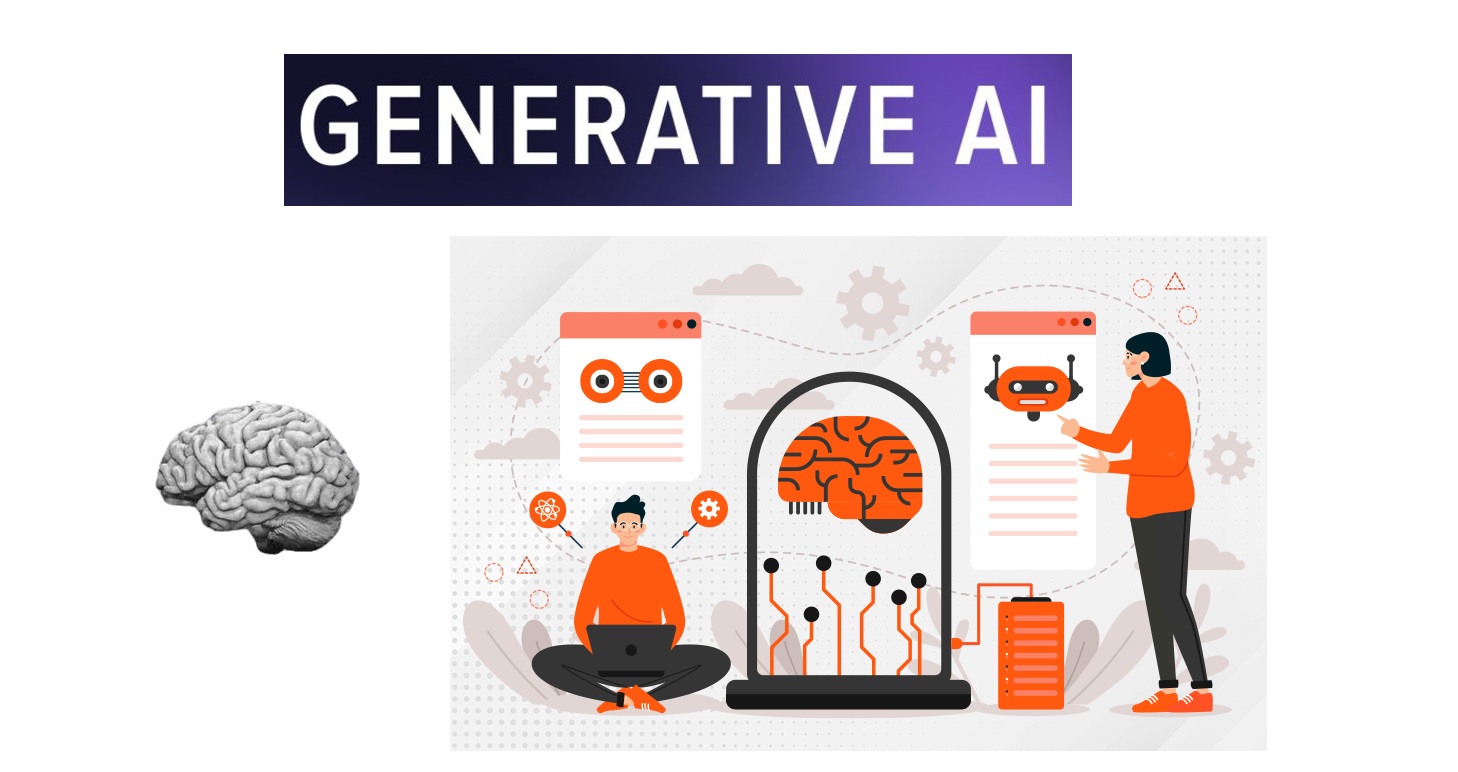
As Generative AI continues to evolve, its influence will only grow. We can expect more sophisticated models, better integration with human workflows, and new applications that we can’t yet imagine. The key will be to harness this technology thoughtfully—leveraging its strengths while addressing its challenges.
Conclusion
Generative AI is not just a technological trend; it’s a paradigm shift in how we create, innovate, and interact with information. By embracing its possibilities and navigating its complexities, we can unlock new levels of creativity and productivity for individuals and organizations alike.


No comments:
Post a Comment